The most valuable asset in the modern digital economy isn’t code, audience data, or brand equity. It is accurate baseline information.
As digital creators, freelancers, agency founders, and online growth enthusiasts, we treat data entry as an administrative chore. We build intricate tech stacks, pivot through multiple payment gateways, register secondary business entities, and test dozens of affiliate networks.
Yet, during this fast-paced expansion, something critical happens in the background: liquidity drops out of sight.
Millions of dollars in forgotten affiliate payouts, legacy merchant account reserves, uncashed corporate checks, and unclaimed promotional sweepstakes prize pools go dark every single year. When an online brand or financial institution loses contact with an account operator, they cannot absorb those funds into their corporate revenue accounts. Doing so breaks strict regulatory frameworks. Instead, they must transfer those funds into institutional safekeeping.
According to data from the National Association of Unclaimed Property Administrators (NAUPA), state asset recovery programs returned over $4.49 billion to rightful owners in a single fiscal year. The average successful distribution amount stands at a substantial $2,080.
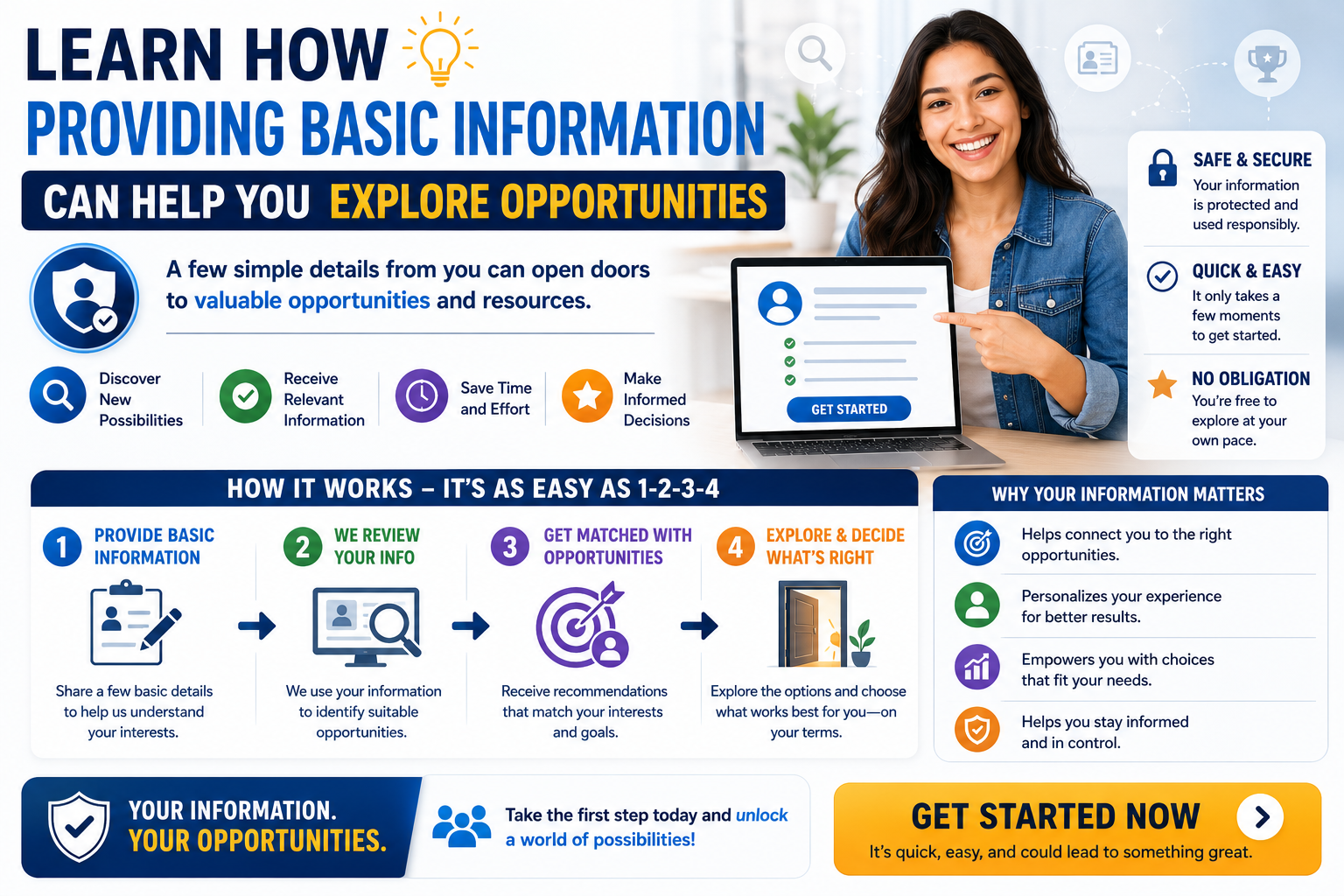
The gate keeping you from exploring these massive pools of frozen capital isn’t an elite corporate network or a complex regulatory application loop. It simply requires providing basic, verifiable identity information to the right public data registries.
Let’s look at how simple, everyday pieces of company and personal data serve as tracking keys to unlock hidden capital repositories, allowing you to discover liquidity to fuel your online enterprise.
1. The Disconnect Architecture: Why Your Capital Sits Hidden
The independent digital lifestyle is highly decentralized. Unlike a traditional brick-and-mortar storefront that uses a single localized banking branch for thirty years, a freelance designer, media buyer, or niche blogger operates globally across a web of platforms.
The Breakdown Points Where Cash Is Abandoned
- The Silent Escrow Trap: When you transition your e-commerce storefront or subscription platform to an alternative payment processor, your legacy merchant account usually implements a standard 90-to-180-day holding reserve. This protects them from latent chargebacks. If your focus shifts to the new setup, those old balances frequently clear into an empty room after the holding window closes.
- The Sweepstakes Validation Hurdle: Brands frequently run high-value viral sweepstakes, platform development challenges, or digital hackathons to incentivize product adoption among creators. If you win an award tier or a random cash draw but fail to fill out the platform’s administrative profile within the strict deadline, the platform cannot issue a payout. They drop the cash into a compliance holding escrow.
- The Orphaned Affiliate Trail: Digital growth enthusiasts often sign up for dozens of niche referral programs. If an aggregate network updates its primary dashboard software, drops its email communication tool, or goes through a corporate merger, the connection to your legacy publisher account breaks down. Your unpaid commissions sit in limbo.
2. The Power of Baseline Data: Turning Basic Information into Search Parameters
Many online business owners mistakenly assume that searching for missing financial opportunities requires hiring high-priced corporate asset recovery specialists or paying steep administrative fees. In reality, the entire system is built on public databases designed to react to direct, basic information string entries.
By providing a few core identity coordinates, you grant the system the exact parameters it needs to map digital data points back to your business balance sheet.
1.Build a Master Identity Reference Profile:Phase 1.
Create a secure file containing all historical operating details for your business. Do not just use your current business setup. Write down past trading names, historical residential or office addresses, corporate acronyms, past business email domains, and your Employer Identification Number (EIN).
2.Query Central Aggregator Interfaces:Phase 2.
Access free public aggregation tools like MissingMoney.com. Input your primary personal or corporate names to run a wide cross-state check across dozens of participating state treasury systems simultaneously.
3.Execute Direct State Registry Queries:Phase 3.
Because aggregate tools can occasionally lag behind local state records, manually access the official unclaimed property portals for every specific state where you have registered an entity, managed inventory warehouses, or lived as a freelancer.
4.Initialize the Verification Program:Phase 4.
When a baseline name match appears in a registry, officially enter the claim pipeline. Provide basic verification files—like a digital scan of a past business license or a historical utility statement—to confirm your connection to the address linked to the asset.
The Integrity Rule: Valid public treasury databases and official institutional claim platforms are 100% free public resources. They will never require you to provide a credit card number, subscribe to an asset lookup plan, or pay an upfront fee to release your property. Any platform requesting money up front is a digital scam.
3. Allocation Blueprints: Reinvesting Found Revenue into High-Yield Digital Infrastructure
Reclaiming a forgotten corporate balance or a missed sweepstakes pool provides an immediate injection of cash into your business. For an online growth enthusiast, this cash shouldn’t go toward short-term lifestyle expenses. Instead, treat it as zero-cost capital to acquire permanent digital assets that compound over time.
Capital Reinvestment Strategies for Creators
| Reinvestment Avenue | Operational Action Plan | Multi-Year Compound Yield |
| Authoritative Long-Tail SEO Content | Use recovered cash to contract professional, domain-expert technical writers to craft comprehensive guide articles. | Builds an evergreen informational asset that captures organic search visibility and drives consistent intent-driven traffic. |
| Advanced Funnel and Optimization Tech | Invest in premium analytics trackers, customized conversion themes, or automated onboarding email software. | Maximizes the core revenue potential of every user currently arriving on your web properties. |
| Strategic Domain Acquisitions | Secure expired domains within your specific market segment that possess established, clean backlink profiles. | Short-circuits traditional authority-building timelines by instantly absorbing legacy search engine trust. |
4. The Horizon: Intelligent Asset Matching and public ledger Systems
The days of manually entering text strings into old government portals to check for missing funds are numbers. As we head further into 2026 and approach the turn of the decade, the infrastructure underlying corporate bookkeeping, treasury management, and identity verification is undergoing a complete modernization.
The future of asset tracking relies on automated, programmatic discovery. Public treasury systems are actively shifting toward integrating advanced machine learning protocols with cryptographically verified digital identity systems.
[Dormant Capital Generated] ──► [AI-Driven Identity Matching] ──► [Cryptographic Compliance Approval] ──► [Instant Transfer]
Instead of requiring you to remember every single address variation from your past, a singular, secure digital business profile will continuously monitor secure financial ledgers across the internet.
When a past software provider calculates an overpayment or a marketing platform logs an unissued prize pool, automated matching algorithms will securely verify your brand’s ownership using zero-knowledge proofs.
The system will pre-populate the necessary compliance forms, manage tax reporting requirements seamlessly, and route the funds directly to your business checking account via automated direct deposit—completely removing manual tracking from your workflow.
5. Frequently Asked Questions (FAQ)
How can simply providing basic information reveal hidden financial opportunities?
Corporate and state registries list missing assets using the last known identifying data points provided by the original company—typically a name, Business name, or historical address. When you provide this basic information in a search registry, the system cross-references your inputs against billions of raw data rows to flag matching records that you have a legal right to explore and claim.
What is the primary difference between unclaimed corporate property and promotional sweepstakes cash?
Unclaimed property consists of tangible financial instruments—such as uncashed checks, account balances, or security deposits—that corporations are legally required to turn over to state treasuries after a period of prolonged account inactivity. Sweepstakes cash represents promotional prize distributions or contest winnings that remain locked inside an internal corporate escrow database because the winner missed the mandatory identity verification window.
Can I run queries for a digital business or freelance agency that I have since closed or dissolved?
Yes, absolutely. If you were the legal owner, officer, or managing director of a dissolved LLC, partnership, or corporation, you retain the legal right to claim any financial assets generated while that company was operational. To secure the distribution, you will simply need to upload your original incorporation records along with official dissolution filings during the validation phase.
Will reclaiming these found assets trigger new income tax liabilities for my business?
The act of recovering funds that already belonged to you is generally not viewed as a new, taxable income event by tax authorities. In most scenarios, you already accounted for this revenue when it was originally earned or won in the past. However, if the custodial registry has held your capital for an extended period and applied statutory interest to the balance, that newly generated interest must be reported on your corporate tax returns.
What should I do if a state registry or corporate platform denies my asset claim?
If your application is turned down, it is almost always caused by a minor administrative data mismatch, such as an incomplete middle name string or an unverified corporate address variation. Your capital isn’t lost. Review the official denial letter carefully, connect directly with an assigned program administrator, and provide secondary documentation—like an old tax filing, an expired business license, or a historical domain registration invoice—to lock in your claim.
Key Takeaways for Digital Innovators
Forgotten corporate balances, abandoned marketing prize pools, and unissued affiliate commissions are not mythical ideas—they are legitimate financial assets that belong on your active company ledger. To optimize your capital recovery efforts and secure your brand’s financial foundation, build your operational strategy around these core principles:
- Audit Your Historical Footprint Continually: Treat asset discovery as a standard administrative checklist item. Scan national aggregate systems and core state portals twice a year to capture dormant balances before they sit isolated for years.
- Maintain Flawless Corporate Data Archives: Keep a secure, centralized digital folder containing your past business addresses, expired entity licenses, and legacy tax identifiers to clear registry validation hurdles instantly.
- Rely Exclusively on Verified Public Portals: Protect your brand’s sensitive information by bypassing third-party finder services that demand steep upfront percentages or access fees. Complete your queries directly through free public registries.
- Transform Windfalls into Compounding Assets: Avoid the temptation to spend recovered funds on temporary operational overhead. Reinvest that zero-cost capital back into high-authority SEO content, premium conversion optimization tools, or strategic asset acquisitions that scale your business value over time