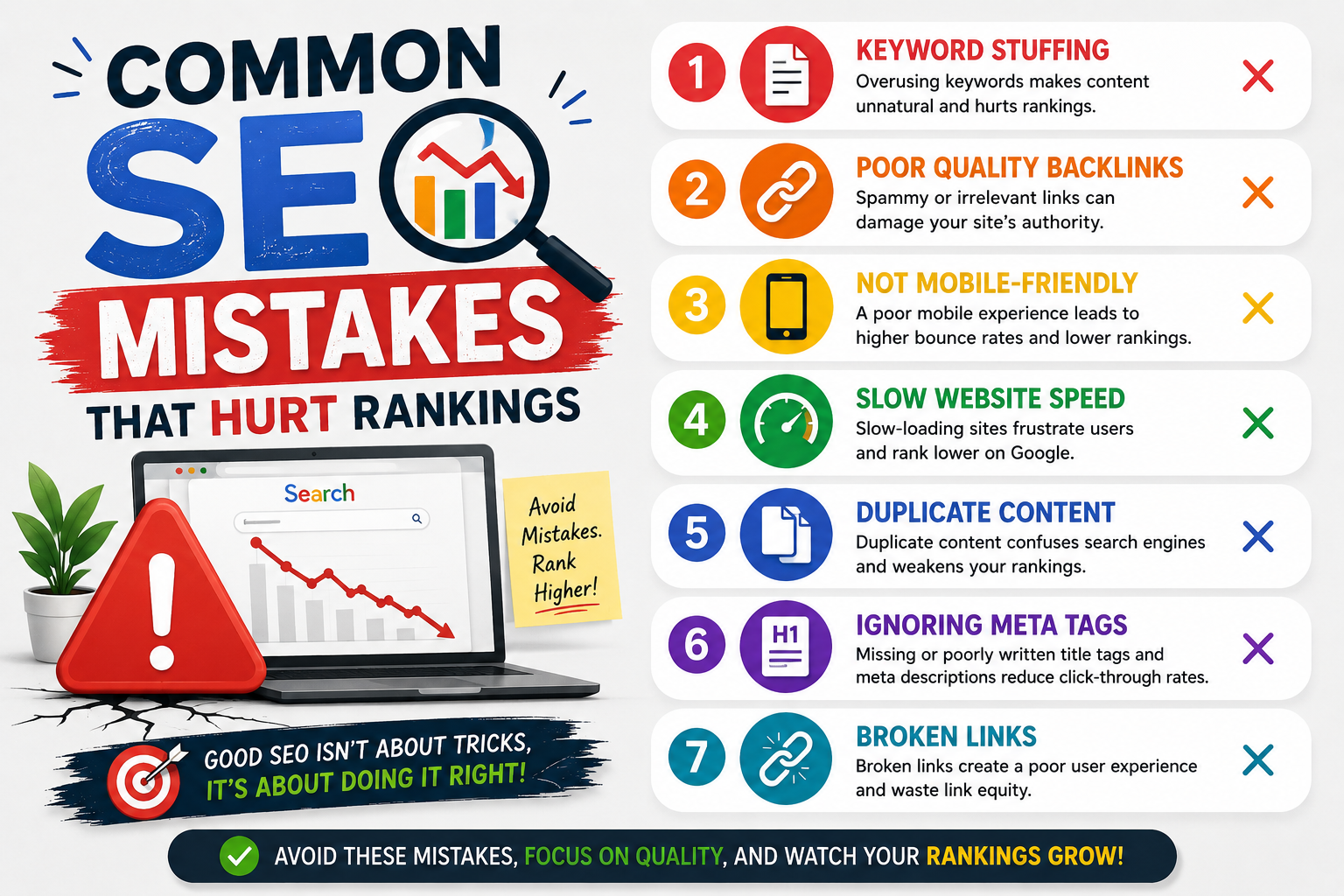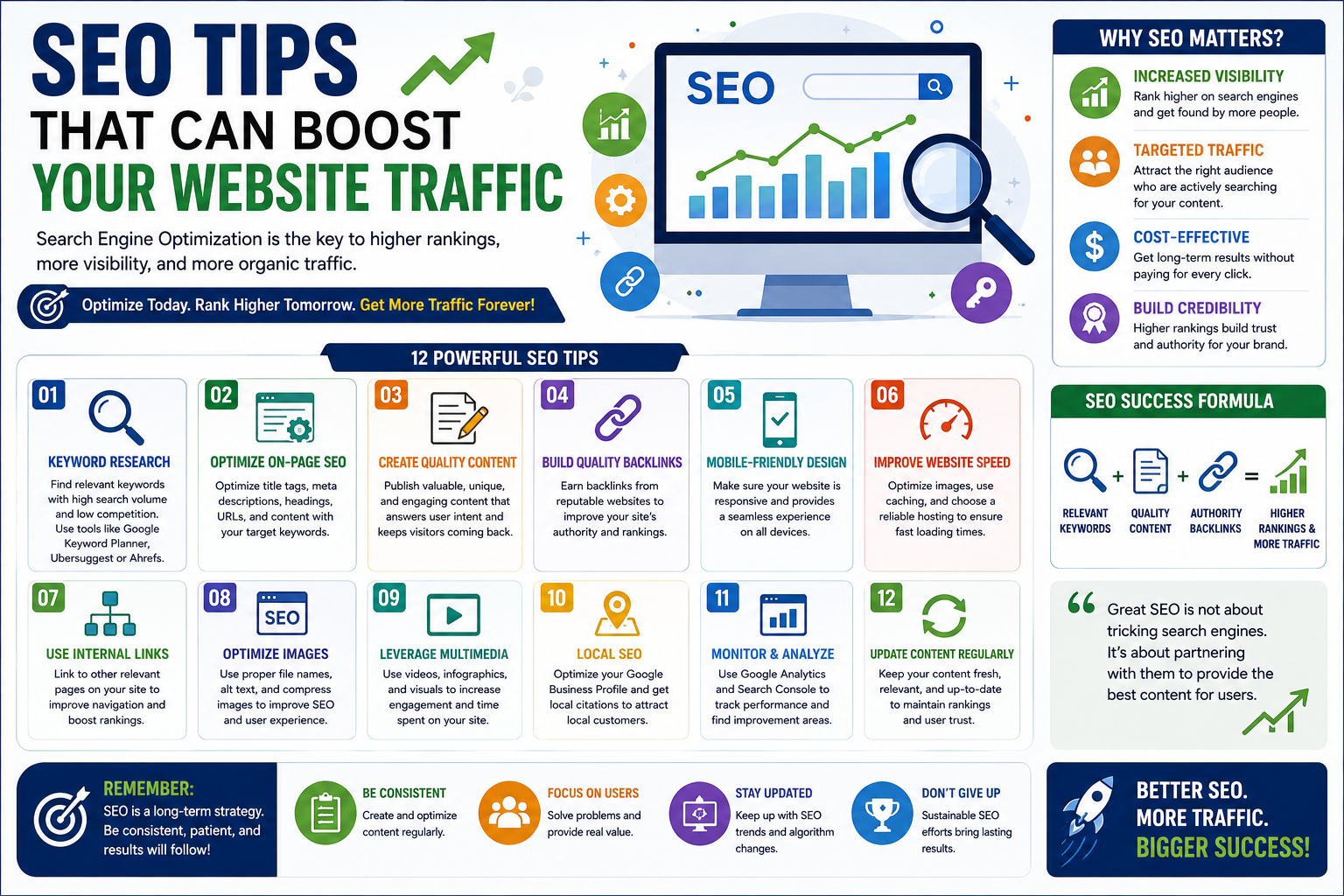
Imagine building a beautiful, state-of-the-art store. You stock it with incredible products, paint the walls perfectly, and turn on bright, welcoming lights. But there is one major catch: you built the store in the middle of a deserted forest where no roads exist. Nobody knows it is there, so nobody ever visits.
This is exactly what happens when you launch a website without Search Engine Optimization (SEO). You could write the most brilliant articles or sell the finest products, but if search engines like Google cannot find your site, your target audience won’t either.
For students, beginners, and young professionals, learning how to drive organic visibility online is one of the most powerful digital skills you can acquire today. In fact, search engine optimization is widely considered one of the top high-income skills because every business on the planet is fighting for attention online. Mastering this discipline opens doors to thriving future careers in digital marketing, data analysis, and growth hacking.
Whether you are looking to scale a personal blog or build crucial skills for 2030, this guide will walk you through actionable, easy-to-understand SEO tips to skyrocket your website traffic.
1. Master the Art of Intent-Based Keyword Research
Keywords are the phrases and questions that real people type into a search bar. Many beginners make the mistake of guessing what their audience wants to read. Instead, you need to use data to uncover exactly what people are searching for.
Focus on Long-Tail Keywords
If you have a brand-new website, trying to rank on the first page of Google for a massive word like “Shoes” or “Cooking” is nearly impossible. Giant corporations dominate those terms. Instead, target long-tail keywords, which are longer, more specific phrases.
- Practical Example: Instead of trying to rank for “SEO,” target a long-tail phrase like “step-by-step SEO tips for food bloggers.” The search volume might be lower, but the competition is much softer, and the visitors who click are highly targeted.
- Actionable Tip: Use free keyword research tools like Google Keyword Planner, AnswerThePublic, or the free tier of Ubersuggest. Look for terms that have a decent monthly search volume but a low competition score.
Align Content with Search Intent
Search intent is the reason behind a user’s search query. Google’s primary goal is to provide users with the most helpful answer instantly. If your page does not match what the user is actually looking for, Google will not rank it.
There are four primary types of search intent:
- Informational: The user wants to learn something (e.g., “how to bake sourdough bread”).
- Navigational: The user is trying to find a specific website (e.g., “Netflix login”).
- Commercial: The user is investigating products before buying (e.g., “best laptops for college students”).
- Transactional: The user is ready to buy right now (e.g., “buy iPhone 15 Pro Max online”).
2. On-Page Optimization: Making Your Content Readable for Humans and Robots
On-page SEO is the process of optimizing individual web pages to rank higher. Think of it as organizing your digital storefront so that both human visitors and Google’s automated crawling robots can navigate it seamlessly.
Craft Compelling Title Tags and Meta Descriptions
Your title tag and meta description act as your website’s digital billboard on the search engine results page. They need to be incredibly catchy to convince users to click on your link instead of a competitor’s.
- Actionable Tip: Always place your primary target keyword near the very front of your SEO title. Keep your title under 60 characters and your meta description under 160 characters so they don’t get cut off by Google.
Use a Logical Heading Hierarchy
Never paste a giant, uninterrupted wall of text onto a webpage. It terrifies readers and confuses search engines. Break up your articles cleanly using Header tags (H1, H2, H3).
- H1 Tag: Reserved strictly for your main article title (use only one per page).
- H2 Tags: Used for the main subtopics or chapters within your article.
- H3 Tags: Used to break down specific points within an H2 section.
                  [Perfect Content Architecture]
                        └── H1: Main Article Title
                             ├── H2: First Major Subtopic
                             │    ├── H3: Supporting Detail A
                             │    └── H3: Supporting Detail B
                             └── H2: Second Major Subtopic
3. High-Quality, Comprehensive Content Is Your Ultimate Moat
You might hear a lot of technical jargon about algorithms, but Google’s core philosophy is simple: Reward content that genuinely helps the user. High-quality content generation is one of the foundational future skills that AI writing tools cannot easily replicate because machines lack authentic human experience.
Write with E-E-A-T in Mind
Google uses a strict framework called E-E-A-T to evaluate content quality, especially for topics that impact a reader’s health, finances, or happiness.
- Experience: Do you have first-hand, real-world experience with the topic?
- Expertise: Does the content show that the author understands the subject deeply?
- Authoritativeness: Is your website a trusted source within your industry niche?
- Trustworthiness: Is the information accurate, transparent, and backed by facts?
- Practical Example: If you are writing an article about personal finance, don’t just list generic tips. Include personal stories of how you saved money, add screenshots of your budget tracking tools, and link out to official economic reports to build ironclad trust.
4. Technical SEO: Fixing the Engine Behind Your Content
You could have the most beautifully written blog post on the internet, but if your website takes 10 seconds to load or looks terrible on a smartphone, visitors will click away immediately. This behavior tells Google that your site provides a poor user experience.
Optimize for Mobile Devices First
The vast majority of web traffic originates from mobile devices. Google uses mobile-first indexing, meaning it evaluates the smartphone version of your website to determine your search rankings, rather than the desktop version.
- Actionable Tip: Open your website on your phone. Are the fonts large enough to read easily? Are the buttons spaced out so you don’t accidentally click the wrong link? Use Google’s free PageSpeed Insights tool to check how your mobile layout performs.
Accelerate Your Loading Speed
In our fast-paced world, attention spans are incredibly short. If your site does not load within two to three seconds, a massive portion of your hard-earned traffic will bounce back to the search results.
- Quick Ways to Speed Up Your Site:
- Compress Images: Large image files are the biggest cause of slow websites. Use free compression tools like TinyPNG before uploading any picture.
- Use a Clean Theme: Avoid clunky, poorly coded website templates that overload your pages with unnecessary scripts.
- Enable Caching: Install a trusted caching plugin (if using WordPress) to serve pre-loaded pages to returning visitors instantly.
5. The Power of Internal and External Linking
Links act as the pathways and recommendations of the internet. They pass authority from one page to another and help search engine crawlers discover new content on your site.
Build an Intuitive Internal Linking Structure
An internal link is when you link from one page on your website to another page on the same site. When you publish a new article, always link back to older, relevant posts you have written.
- Practical Example: If you are writing a new post about “How to Start a Blog,” make sure to include an internal link to your previous post on “Best SEO Tips for Beginners.” This keeps users on your site longer and passes ranking power to your older pages.
Earn High-Quality Backlinks (External Links)
A backlink occurs when an entirely external website links to your page. Think of a backlink as a vote of confidence. If a highly reputable website links to you, Google views it as a major signal that your content is valuable and trustworthy.
Conclusion: The Long-Game Strategy for Digital Growth
SEO is not a magical trick that will double your traffic overnight. It is a long-term strategy that requires consistency, patience, and continuous adjustments. However, the rewards are immense. Unlike paid ads that stop bringing in customers the moment you stop paying, organic SEO traffic keeps growing naturally over time.
By mastering keyword research, optimizing your on-page elements, fixing your technical speed, and prioritizing human-first content, you are setting your digital assets up for years of sustained growth. Furthermore, you are actively building highly versatile tech proficiencies that will remain incredibly valuable as you prepare for the workplace changes ahead. Turn your website into a traffic powerhouse, one optimization at a time.
Frequently Asked Questions (FAQs)
Q1: How long does it typically take to see real traffic results from SEO?
A1: For a brand-new website, it generally takes anywhere from 3 to 6 months to start ranking significantly on Google. SEO is a compounding investment. The work you put in today will pay massive dividends several months down the road.
Q2: What is the difference between On-Page SEO and Off-Page SEO?
A2: On-Page SEO refers to the changes you can control directly inside your website, such as writing clear headings, optimizing keywords, and fixing page speeds. Off-Page SEO involves actions taken outside your website to boost your authority, primarily by earning backlinks from other trusted web portals.
Q3: Will using AI tools to write my blog posts ruin my SEO rankings?
A3: Google does not automatically penalize AI-generated content, provided it is highly helpful, accurate, and created for humans rather than search engines. However, raw, unedited AI content often lacks unique value and contains factual errors. You should always rewrite, edit, and add your personal experience to machine-generated drafts.
Q4: What are “Black Hat” SEO practices, and why should I avoid them?
A4: Black Hat SEO refers to sneaky, unethical tricks used to manipulate search rankings, such as hiding invisible keywords in the background or buying thousands of spammy links. While these shortcuts might give you a temporary traffic boost, Google’s smart algorithm will eventually spot them and permanently ban your website from search results.
Q5: Do I need a massive budget or expensive software to do SEO properly?
A5: Absolutely not. You can run a world-class SEO strategy using entirely free tools. Google Analytics, Google Search Console, Google Keyword Planner, and free web speed testers provide all the vital data analytics data a beginner needs to outrank major competitors.